
Central Heating Systems Overview
Comparison of Heating Systems:
Navigating the landscape of central heating systems can be daunting, with choices ranging from furnaces to boilers to heat pumps. Each system boasts unique characteristics in terms of energy efficiency, cost implications, and maintenance demands. Furnaces, for example, often come with lower initial installation costs but may have higher operational expenses due to fuel consumption, especially if reliant on oil. Boilers, while typically more expensive upfront due to their complex installation process, offer consistent and even heating throughout the home, often proving to be more energy-efficient in the long run. Heat pumps, emerging as a popular choice, excel in energy efficiency with their ability to transfer heat rather than generate it but can have significant installation costs. Comparing these systems involves a nuanced understanding of financial outlay versus long-term efficiency gains.
Mechanical Functionality of Each System:
Delving into how each central heating system operates reveals intriguing mechanical functionalities. Furnaces utilize combustion, where fuel sources such as natural gas, oil, or electricity heat air that circulates through ducts, providing swift and effective warmth. Boilers, on the other hand, leverage water to distribute heat, producing steam or hot water that warms radiators or underfloor systems, offering a gentle and consistent warmth. Heat pumps, marvels of modern engineering, work via refrigerant cycles, effectively moving heat from outside air, ground, or nearby water sources into the home. This technology not only heats but also cools, making it a versatile choice in moderate climates. Understanding these mechanisms helps homeowners make informed decisions based on their specific heating needs and preferences.
Furnaces 101
Types of Furnaces:
Furnaces come in several varieties, each with its distinct advantages and potential drawbacks. Natural gas furnaces remain a popular choice due to their efficiency, affordability, and relative environmental friendliness compared to oil-based systems. They achieve high Annual Fuel Utilization Efficiency (AFUE) ratings, with modern models often exceeding 90%. Oil furnaces, though less common, are still prevalent in areas where natural gas is unavailable, offering robust heating performance despite higher emissions. Electric furnaces are acclaimed for their efficiency and zero emissions at the point of use, although they can drive higher operational costs due to electricity rates. Understanding these types is crucial for selecting the most suitable furnace based on cost, efficiency, and environmental concerns.
Advantages and Disadvantages:
Installing a furnace presents several advantages. Known for their capability of rapidly heating a home, furnaces are also widely available and come in various models to suit diverse needs. Modern furnaces are designed to optimize fuel usage, enhancing their energy efficiency and cost-effectiveness. However, there are disadvantages, such as noise from blower fans and duct systems, potentially frequent maintenance requirements, and the financial implications of running a furnace, particularly on colder days. Furthermore, the reliance on fossil fuels, particularly in oil-based models, raises concerns about environmental impact. Weighing these pros and cons helps in understanding if a furnace aligns with one's heating priorities and long-term sustainability goals.
All About Boilers
Different Boiler Systems:
The choice between steam and hot water boilers can significantly impact heating efficiency and installation costs. Steam boilers use a higher temperature to generate steam, which can be ideal for older homes with established radiator systems. These systems distribute heat effectively but require more maintenance due to potential scaling and pressure challenges. Hot water boilers, however, operate at the lower end of the temperature scale, making them more energy-efficient and better suited for in-floor heating applications. Installation for both systems often demands a more significant investment upfront compared to other heating solutions, but the tailored distribution they offer can lead to long-term savings in utility bills, especially for large or multi-story homes.
Pros and Cons of Boiler Systems:
Boilers have long been hailed for their reliability and safety. They provide uniform heat distribution and are particularly effective in distributing consistent warmth throughout expansive spaces. This reliability comes with a need for regular maintenance to preempt potential issues such as system leaks or pressure discrepancies, which can affect efficiency and safety. Although the complexity of repairs can add to costs over time, the longevity and general durability of boilers make them a worthwhile investment for those prioritizing stable and efficient heating. However, installation and potential repair costs should not be overlooked during the decision-making process.
What to Know About Heat Pumps
Types of Heat Pumps:
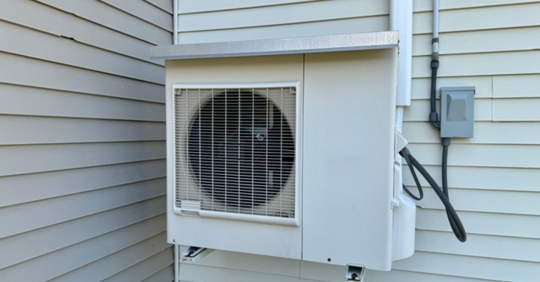
Heat pumps are increasingly recognized for their efficiency and versatility, coming in varying types such as air-source, ground-source (geothermal), and ductless mini-split systems. Air-source heat pumps are celebrated for their efficiency in moderate climates, harnessing outside air to provide heating and cooling. Ground-source heat pumps offer even greater efficiency by leveraging consistent underground temperatures, making them an attractive option for those seeking sustainable solutions, albeit with higher initial costs due to complex installations. Ductless mini-splits provide flexibility by allowing different climate zones within a home, ideal for retrofits or additions where ductwork isn’t feasible. Each type presents unique benefits and challenges, making it essential for homeowners to consider their specific climate and home needs when selecting a heat pump.
Benefits and Drawbacks:
The dual functionality of heat pumps as both heating and cooling systems makes them an appealing choice, delivering significant energy savings throughout the year. Their ability to transfer rather than generate heat is key to their efficiency, particularly noted in mild climates where they maintain optimal performance. Despite higher upfront costs, the long-term savings on energy bills can be substantial. However, in extremely cold climates, their performance may diminish unless supplemented with auxiliary heating. Additionally, the complexity of installation can be daunting, requiring professional insight to ensure optimal setup and function. Understanding these benefits and potential drawbacks is crucial for homeowners considering the substantial shift of investing in modern heat pump technology.
Choosing the Right System for Your Home
Factors Influencing Decision:
Selecting the right heating system involves weighing various factors such as climate considerations and existing home infrastructure. In colder climates where heating is required for extended periods, systems like boilers or natural gas furnaces may be more apt, while moderate climates can benefit from the efficiency of heat pumps. Budget constraints will also heavily influence this decision, balancing the initial cost of installation against long-term operational expenses. Furthermore, personal priorities such as efficiency and sustainability will play a role, with many homeowners increasingly seeking greener solutions to minimize environmental impact. A thoughtful assessment of these factors can lead to an informed and satisfactory choice, optimally meeting one's home heating needs.
Long-Term Considerations:
The long-term implications of installing a heating system extend beyond immediate costs, casting a light on maintenance commitments, energy savings, and environmental consequences. Regular upkeep is necessary across all systems but varies in complexity and frequency, from routine filter replacements in furnaces to pressure checks in boilers. Energy savings are closely tied to the efficiency of the chosen system, with opportunities to recoup initial investment through lower utility bills over time. Environmental impacts can no longer be ignored, making options like heat pumps more attractive for those conscious of carbon footprints. In the pursuit of a home heating solution, exploring these long-term effects ensures a choice that sustains both home comfort and environmental responsibility.
Additional Insights and Resources:
When considering upgrading or installing a new heating system, numerous questions often arise. Homeowners might query which systems top the charts in energy efficiency or seek guidance on maintaining their furnace, boiler, or heat pump to ensure longevity. The lifespan of each heating system type can vary greatly, which is crucial information to factor into the decision-making process. Related topics like home heating system cost comparisons, sustainable heating options, and hybrid heating solutions highlight the evolving nature of home heating. Each of these topics provides a deeper insight pertinent to a strategic investment in home comfort.
Find the Right Heating System for Your Home with True Blue Mechanical
As part of True Blue Mechanical's dedication to providing reliable furnace, boiler, and heat pump services, we offer expert advice and professional installations tailored to your heating needs. We invite homeowners to contact us for a personalized consultation and discover the most efficient and suitable heating system for their home. Our commitment is to ensure your home remains a haven of comfort and efficiency through the coldest months and beyond. Reach out today to transform your home’s heating experience with energy-saving solutions designed for your unique environment.
Call True Blue Mechanical now at (302) 279-2467 or send us a message online.