
Choosing the Right HVAC System for Your Needs
Choosing an HVAC system for your home or business is more than just a purchase; it's a long-term investment in comfort, efficiency, and even environmental impact. With so many options available, it's essential to understand the different types of systems and evaluate which meets your specific needs best. Whether you're heating or cooling a large home, a cozy office, or a commercial space, making an informed decision about your HVAC system can result in significant energy savings, improved comfort, and increased property value.
Central Air Conditioning Units
Central air conditioning units are popular for those managing large homes or commercial spaces, offering a centralized cooling solution that distributes air evenly throughout the building. These systems operate through a series of ducts, drawing warm air out of the house, cooling it via refrigeration technology, and then circulating it back inside. Most users appreciate the seamless integration into existing homes and the quiet operation compared to other systems. When considering such a unit, you'll need to look at the SEER (Seasonal Energy Efficiency Ratio) ratings, which measure the energy efficiency of air conditioners. Units with higher SEER ratings may have higher initial costs but offer greater energy savings over time and longer lifespans, effectively reducing utility bills and environmental impact.
Heat Pumps
Known for their dual functionality, heat pumps can provide both heating and cooling, making them particularly valuable in moderate climates like that of Newark, DE. Unlike traditional units that generate heat, heat pumps transfer it from the outside, significantly enhancing energy efficiency. The quality of installation is crucial for heat pumps, as optimal performance depends on proper setup. These systems tend to be most efficient where temperatures are relatively mild year-round, as their efficiency decreases in extreme cold. Moreover, technological advances have led to variable-speed heat pumps that adjust to demand, providing precise temperature control and efficiency.
Ductless Mini-Split Systems
Ductless mini-split systems offer incredible flexibility, providing individual climate control for separate zones or rooms without requiring ductwork. This feature makes them ideal for homes with design limitations or where traditional ducting is impractical. Installation costs might be higher than traditional window units, but these systems make up for this with their energy-saving potential and customizable comfort options, usually resulting in decreased utility bills. With the ability to control individual zones separately, homeowners can adjust temperatures according to room occupancy, reducing energy wastage and enhancing comfort.
Packaged Heating and Air Systems
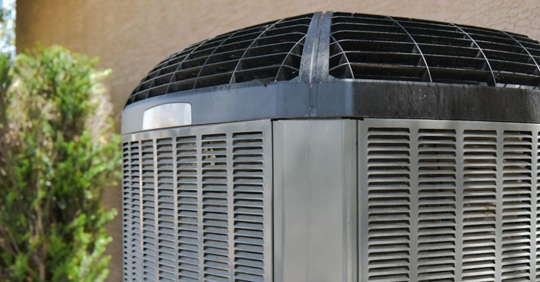
Packaged heating and air systems are self-contained units often installed outdoors, making them ideal for homes with limited indoor space. All components—compressor, condenser, and evaporator—are housed in a single cabinet. This design simplifies installation and maintenance while minimizing indoor space usage. However, because these systems are exposed to the elements, they must be robust to ensure longevity and performance. While initially cost-effective, users should weigh the trade-offs regarding potential weather-related wear and energy efficiency, as well as consider the additional measures for system protection.
Geothermal Heating and Cooling
Geothermal systems harness stable temperatures underground to efficiently heat and cool homes. While they require significant initial investment and specific site conditions for installation, the long-term savings and ecological benefits are compelling. These systems are often praised for their low operational costs and significant reductions in carbon emissions. Additionally, geothermal systems have few mechanical parts indoors, leading to lower maintenance needs and costs over time. Although the upfront cost may deter some, the environmental benefits and energy independence can offer a viable long-term solution for forward-thinking property owners.
Initial Cost vs. Long-Term Savings
When choosing an HVAC system, it's vital to weigh the initial costs against potential long-term savings on energy bills. While high-efficiency systems like geothermal and heat pumps might have higher upfront costs, they can drastically reduce utility expenses due to their efficient operation. Many options also qualify for tax credits and incentives, which can significantly offset initial expenditures. As renewable energy technology continues to develop, investing in energy-efficient systems today can lead to substantial savings in the future, making it a financially savvy decision.
Maintenance Requirements and Costs
Every HVAC system requires routine maintenance to ensure optimal performance and longevity. Maintenance frequency varies between systems, with centralized and packaged units typically needing less frequent servicing compared to complex setups like geothermal systems. However, meticulous maintenance can prevent costly repairs and energy inefficiencies. Deciding on the right HVAC system also involves considering the long-term reliability and maintenance costs. Investing in routine check-ups with a trusted local provider, such as True Blue Mechanical in Newark, DE, ensures that any issue is promptly addressed, maintaining system efficacy and prolonging its life.
Energy Efficiency and Environmental Impact
Energy efficiency ratings, such as SEER for cooling and HSPF for heating, are pivotal when assessing any HVAC system's environmental impact. High-efficiency systems not only save money on utility bills but also contribute to reduced greenhouse gas emissions, aligning with global sustainability goals. Different systems have unique environmental impacts; for instance, geothermal systems vastly reduce carbon footprints because they draw heat from renewable underground sources. Understanding these implications allows property owners to make informed decisions that balance efficiency with ecological consciousness, directly impacting both local and global environments.
Installation Complexity and Time
The complexity of HVAC system installation varies significantly, affecting both the timeframe and cost. While central air and packaged systems might be completed quickly by professionals, geothermal installations are more extensive, requiring specialized drilling and time-intensive processes. Professional installation is recommended to ensure safety and optimize system performance, minimizing potential issues down the line. Although some systems offer DIY potential, the advantages of hiring experienced technicians cannot be understated, assuring proper installation and system longevity.
Operational Noise Levels
Noise levels during operation are vital considerations for HVAC systems, especially in living areas or businesses where quiet is essential. Central air units and ductless mini-splits are designed for quiet operation, with advancements in technology making them virtually imperceptible within indoor environments. However, systems such as packaged units installed outside may still generate audible noise, but solutions like strategic positioning and sound-proofing can mitigate their impact. Assessing noise levels before installation ensures compatibility with lifestyle needs, providing peaceful and undisturbed environments.
Compatibility with Smart Technology
The integration of HVAC systems with smart technology and IoT devices offers enhanced convenience, efficiency, and energy savings. Many modern systems now sync with home automation platforms, allowing owners to control temperatures remotely and automate energy management. This capability ensures optimized comfort based on individual schedules, reducing unnecessary energy usage. As technological integration becomes more prevalent, the ability to adapt HVAC systems to smart home configurations can represent a significant advantage in both residential and commercial contexts.
Temperature Control and Consistency
The ability to maintain consistent temperatures is a top priority for any HVAC system. Systems like central air conditioners and ductless mini-splits provide reliable air distribution, which is crucial for maintaining comfort and consistency throughout a large space. However, complex systems offer added benefits like customizable climate zones for personalized comfort. Choosing a system that offers control and precision can significantly enhance day-to-day living experiences, ensuring environments are comfortable year-round, irrespective of external conditions.
Indoor Air Quality Considerations
Indoor air quality (IAQ) is another critical factor influenced by the chosen HVAC system. High-quality air filtration systems incorporated into HVAC units not only improve comfort but also safeguard health by efficiently trapping pollutants and allergens. Many systems also offer humidity control, essential for maintaining air quality and structural integrity of a property. Depending on the specific needs, homeowners may benefit from additional systems like air purifiers or dehumidifiers, ensuring optimal air quality and enhancing overall well-being.
Adaptability to Architectural Features
An HVAC system's adaptability to various architectural features can influence its integration into existing property designs. While ductless systems offer incredible flexibility for homes with unique layouts, others might blend more seamlessly into traditional structures. Large windows, high ceilings, or open spaces require unique considerations to ensure that HVAC systems function optimally and efficiently. With some careful planning, these systems can seamlessly integrate, not only enhancing home comfort but also maintaining architectural aesthetics without compromise.
Assessing Climate and Regional Factors
Climate is a principal factor in deciding on an HVAC system, requiring careful consideration of regional conditions to ensure performance and cost-efficiency. For areas like Newark, DE, where climate varies between moderate temperatures and cold winters, systems like heat pumps and central air conditioners can offer optimal performance. Understanding local climate characteristics can guide homeowners in selecting systems that will not only meet but exceed their operational requirements, ensuring year-round comfort and efficiency.
Evaluating Longevity and Durability
The expected lifespan and durability of different HVAC systems vary drastically, influencing cost-effectiveness over the system's life. While geothermal systems often offer robust longevity, other systems may involve regular component replacements to maintain performance. Providing guidance on typical lifespan expectations, as well as insight into warranties and product guarantees, can aid in selecting systems that offer reliable performance and peace of mind for years to come.
Consulting with Professionals
Engaging with HVAC professionals is a crucial step in the HVAC system selection process. Experts provide tailored installation advice and can accurately size systems to match property requirements. Trusted local professionals, like those at True Blue Mechanical in Newark, DE, bring valuable expertise in service contracts and warranty understanding to ensure installations that are effective and reliable. This professional consultation can make all the difference in optimal HVAC system performance and long-lasting satisfaction.
To Find the Right HVAC System for You, Call True Blue Mechanical
Choosing an HVAC system is an investment that goes beyond mere comfort but encompasses energy efficiency, cost savings, and environmental stewardship. With diverse choices available, from geothermal systems to ductless mini-splits, making an informed decision ensures a fulfilling and sustainable investment.
For customized advice and unbeatable heating and air conditioning service, contact your trusted partner at True Blue Mechanical. Discover a world of comfort and efficiency tailored to fit your space by reaching out to our professionals today.
True Blue Mechanical is available by phone at (302) 279-2467 or you can always send us a message online.